Start with the decision, not the survey
The easiest Shopify post-purchase survey to write is a list of questions the team is curious about. The better survey starts somewhere less comfortable: what decision are you willing to make if customers answer clearly?
That framing keeps the survey short. It also keeps the answers from becoming a pile of interesting comments nobody owns.
Use shopify post-purchase survey questions to support one of four decisions:
- where to improve product-page clarity
- which checkout or cart message is creating doubt
- what marketing promise attracted the buyer
- what would make the next order easier
Pick one primary decision per survey. If you try to serve all four at once, the thank-you page becomes a research form.
Question set 1: understand what almost stopped the order
Use this when conversion is moving, but you suspect buyers are arriving with hesitation.
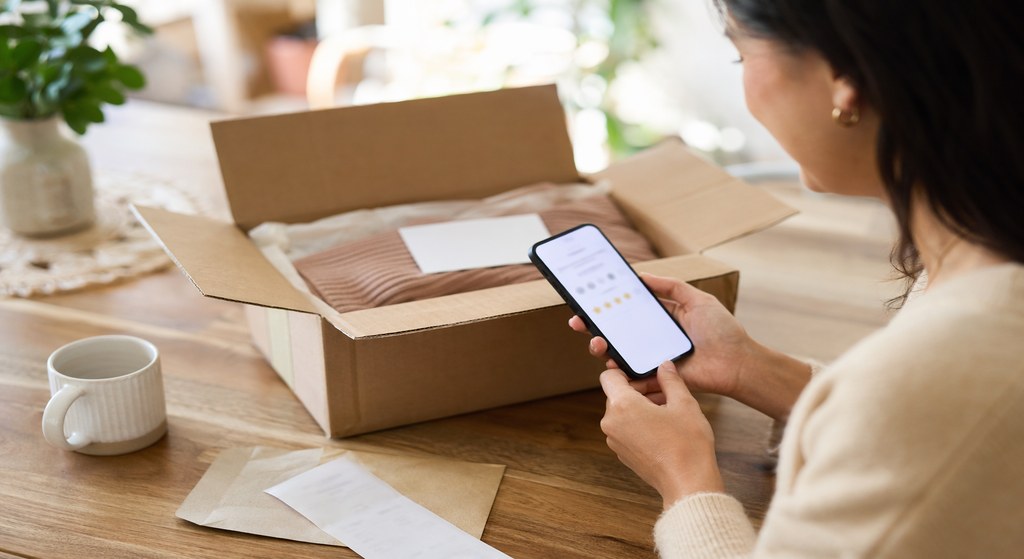
Ask:
“What almost stopped you from placing this order today?”
Good answer options:
- Shipping cost or delivery timing
- Product details were unclear
- I was comparing alternatives
- I was unsure about returns
- I was not sure the product was right for me
- Checkout felt confusing
- Nothing almost stopped me
- Other
Follow with one optional field:
“What would have made that decision easier?”
This pair is useful because it does not ask customers to rate your store in the abstract. It asks them to remember a moment of doubt.
Question set 2: learn what created enough confidence
This version is better when you want to understand what is already working.
Ask:
“What helped you feel confident enough to complete your order?”
Possible answers:
- Product photos or videos
- Reviews or social proof
- Clear sizing, specs, or use-case details
- Return policy
- Shipping information
- Brand trust
- A discount or offer
- I already knew what I wanted
This question is especially useful after a product-page refresh, a new landing page, or a campaign that brings first-time buyers. It shows which confidence signals are doing actual work.
Question set 3: protect attribution without letting it take over
Attribution still matters. The issue is that many post-purchase surveys stop there.
Keep the question simple:
“What first introduced you to us?”
Then keep the answers practical:
- Instagram or TikTok
- Google search
- Friend or creator recommendation
- Email or SMS
- Marketplace, review site, or blog
- I have bought from you before
- Other
If you need a second marketing question, make it about influence rather than discovery:
“What most influenced your decision to buy today?”
That separates awareness from persuasion. A buyer may discover you on Instagram but convert because reviews, shipping, or product detail finally made the order feel safe.
Three compact survey recipes
You do not need every question in every flow. Pick the recipe that matches the store moment.
New campaign traffic
Use when you just launched ads, influencer traffic, or a landing page.
- What first introduced you to us?
- What almost stopped you from placing this order?
- What helped you feel confident enough to complete checkout?
Product-page improvement
Use when a SKU gets traffic but buyers still hesitate.
- Was anything unclear before ordering?
- What helped you choose the right option?
- What should we explain better for future customers?
Repeat purchase growth
Use when you care less about conversion friction and more about the next order.
- What made you choose us again?
- What would make reordering easier?
- Is there anything you expected to find but did not?
What to do with open-text answers
Open text is where the best signal lives, but it is also where teams get stuck. Do not review comments as a general inbox. Review them as evidence for specific storefront changes.

Use four buckets:
Product clarity
Missing specs, unclear size, weak comparison, confusing photos, uncertain use case.
Checkout confidence
Payment method, discount code confusion, shipping surprise, return anxiety.
Marketing promise
Ad or creator claim attracted the buyer, but the product page did or did not support it.
Next-order readiness
What would make replenishment, gifting, subscription, bundling, or reordering easier.
Once a comment lands in a bucket, assign it to a store asset: PDP copy, media order, cart copy, policy placement, email flow, or support macro.
A simple rule for keeping the survey short
If the answer will not change something in the store, remove the question.
That sounds strict, but it keeps the survey useful. A post-purchase moment is high-quality attention. Spending it on five “nice to know” questions lowers completion and makes the answers harder to act on.
For most Shopify teams, three questions are enough:
- One attribution or source question
- One hesitation or confidence question
- One improvement question tied to the next store update
Make the answers visible during weekly work
The survey becomes valuable when it joins your normal operating rhythm. Review answers next to traffic source, product, device, and new-versus-returning customer context.
That is where vague feedback becomes specific. “Checkout was confusing” is not useful by itself. “Mobile first-time buyers from a discount campaign mention checkout confusion” is a fixable pattern.
If you need help connecting survey responses to the actual journey context behind them, Insightto can support that operating loop for Shopify teams. The app is also available on the Shopify App Store for merchants who want to test post-purchase feedback inside their store workflow.